For art lovers, the most memorable experiences are not always found inside the walls of major city museums. Some of the world’s most extraordinary art destinations exist beyond urban centres — hidden among forests, deserts, mountains, and landscapes where architecture, nature, and creativity become part of the artwork itself.
From vast sculpture parks to experimental museums built into the environment, these destinations offer more than a visit to a gallery. They invite visitors to slow down, explore, and experience art in a completely different way.
Here are five remarkable art day trips worth adding to your cultural itinerary.
Instituto Inhotim — Brumadinho, Brazil

Hidden in the green hills of Minas Gerais, Instituto Inhotim is unlike any other art institution in the world. Part botanical garden, part contemporary art museum, and part environmental sanctuary, it offers an immersive experience where nature and art exist in constant dialogue.
Founded by collector Bernardo Paz, Inhotim opened to the public in 2006 and has since become one of Brazil’s most important cultural destinations. Spread across thousands of acres, the site features tropical gardens, outdoor sculptures, and dozens of galleries presenting works by internationally recognised artists.
Visitors can encounter monumental installations by artists including Hélio Oiticica, Cildo Meireles, Doris Salcedo, and Matthew Barney, with artworks appearing unexpectedly among forests, lakes, and walking paths.
More than a museum, Inhotim is a place where contemporary art becomes a journey through landscape, architecture, and imagination.
Storm King Art Center — New Windsor, New York

Just outside New York City, Storm King Art Center offers one of the most spectacular outdoor art experiences in the United States.
Set across hundreds of acres of rolling hills and open fields, the sculpture park transforms the landscape into a vast exhibition space. Visitors can spend an entire day walking among monumental works by some of the most influential artists of the 20th and 21st centuries.
Highlights include Alexander Calder’s dramatic steel sculptures, Maya Lin’s earthwork Storm King Wavefield, and large-scale installations that interact with the surrounding environment.
Unlike a traditional museum, Storm King encourages a slower form of viewing. The changing weather, seasons, and natural surroundings become part of how each artwork is experienced.
For those looking to extend the trip, nearby institutions such as Dia Beacon create the possibility of combining outdoor sculpture with important collections of minimalist and contemporary art.
Kistefos Museum — Jevnaker, Norway

Located along the Randselva River near Oslo, Kistefos Museum is one of Scandinavia’s most striking cultural destinations.
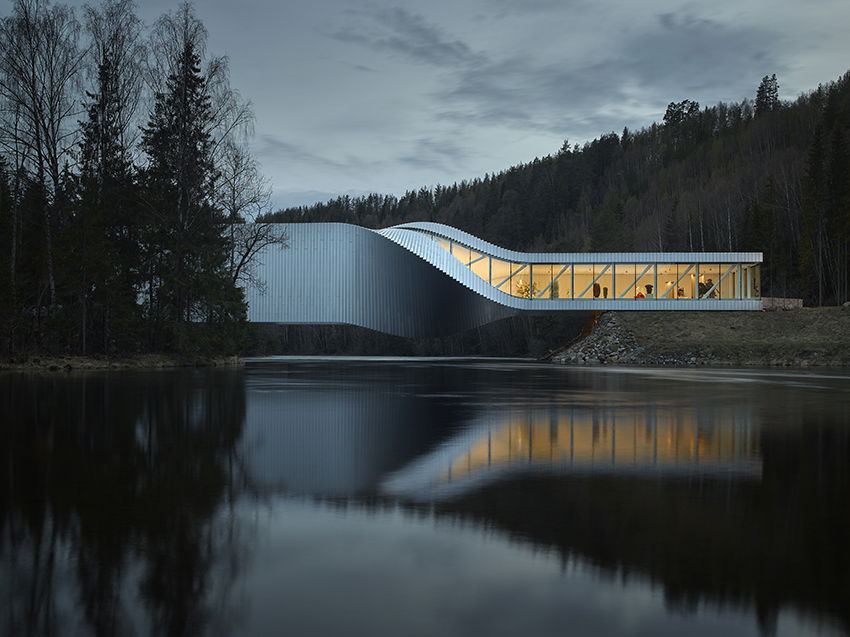
The museum’s iconic building, The Twist, designed by architecture studio Bjarke Ingels Group, functions simultaneously as a gallery, bridge, and sculptural landmark. Its unusual form appears to fold across the river, creating an architectural experience before visitors even enter the exhibition space.
The surrounding sculpture park blends contemporary art with the history of a former 19th-century wood pulp mill. Industrial remnants, forests, and riverside landscapes provide a unique setting for works by internationally recognised artists.
Kistefos represents a new model of museum experience — one where architecture, heritage, and contemporary creativity exist together.
Museum SAN — Wonju, South Korea

Nestled in the mountains of Gangwon Province, Museum SAN is a peaceful destination where architecture, nature, and art come together.
Designed by Pritzker Prize-winning architect Tadao Ando, the museum is built around his signature use of concrete, light, and space. Reflecting pools, stone gardens, and carefully designed landscapes create an atmosphere of meditation and contemplation.
The museum houses an impressive collection with a focus on paper-based works, while its permanent highlights include five immersive installations by American light artist James Turrell.
Museum SAN is not simply a place to view art — it is an environment designed to encourage silence, reflection, and a deeper connection between visitors and their surroundings.
Muzeum Susch — Susch, Switzerland

In a small Alpine village in Switzerland, Muzeum Susch offers one of Europe’s most distinctive contemporary art experiences.
Housed within a restored medieval monastery and former brewery, the museum combines historic architecture with experimental contemporary art. Founded by collector and philanthropist Grażyna Kulczyk, it focuses particularly on women artists and overlooked narratives within art history.
The museum’s exhibitions explore themes of identity, memory, and social history, with site-specific installations integrated into the original architecture.
Featuring works by artists such as Tracey Emin, Monika Sosnowska, and Magdalena Abakanowicz, Muzeum Susch demonstrates how a remote location can become a powerful platform for contemporary artistic dialogue.